Pharmaceutical logistics
A guide to pharmaceutical logistics: regulations, storage, cold chain, quality control and the digital technologies behind an efficient supply chain.
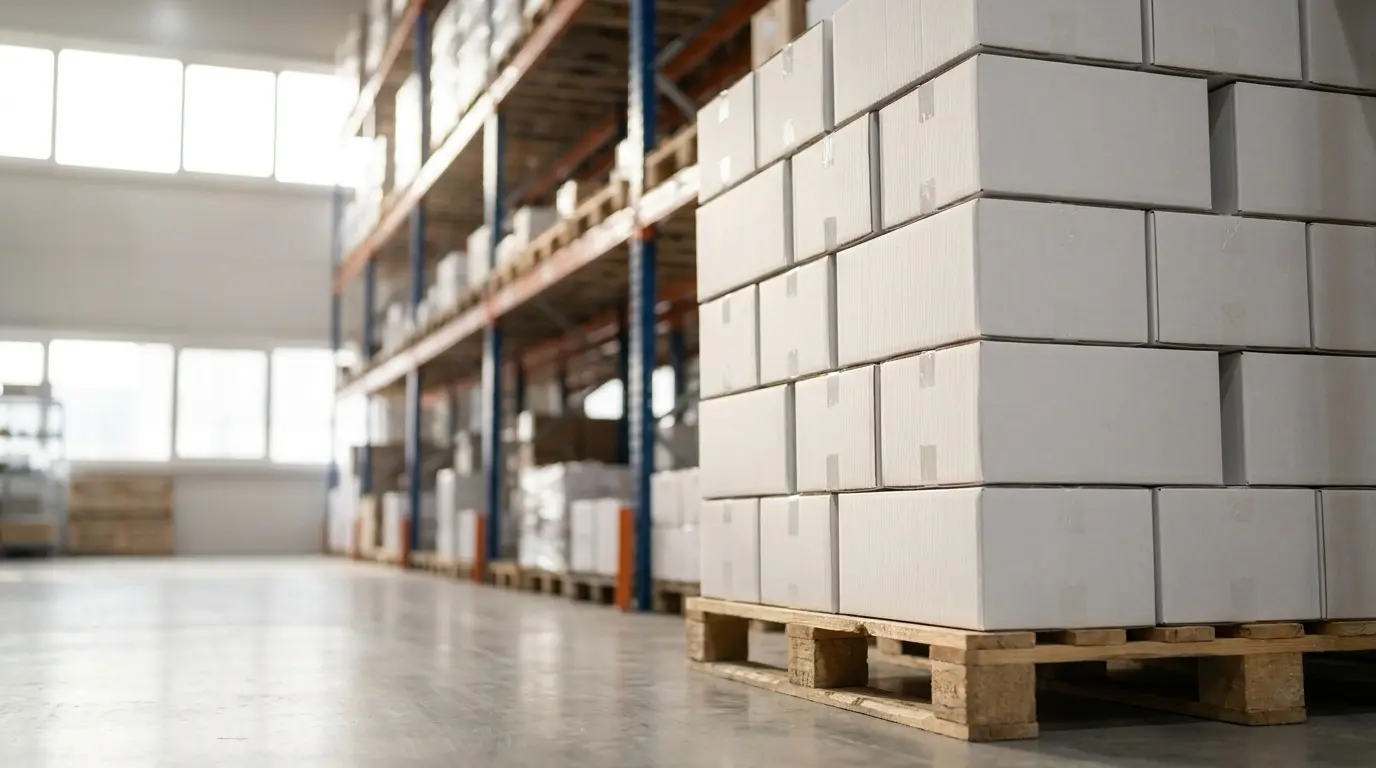
Pharmaceutical logistics is an essential sector for ensuring the availability of medicines and healthcare products. It covers the storage and distribution of pharmaceutical products from supplier to final point of sale, with particular attention to temperature control and traceability.
The sector is growing steadily, driven in part by rising demand for medicines and the need to manage increasingly complex supply chains. This calls for rigorous management of stock, distribution and quality control.
That growth requires the adoption of new technologies and management models to improve efficiency and reduce costs.
The growth of the sector
Pharmaceutical logistics has seen remarkable growth in recent years, with global revenue of more than €75 billion in 2018 and estimated annual growth of 3.5% through to 2025. This increase has been supported by a range of factors, including the expansion of pharmaceutical companies, rising demand for pharmaceutical products, and the implementation of advanced technologies such as artificial intelligence and process automation. The pharmaceutical supply chain has become increasingly complex and sophisticated, with a particular focus on temperature control to guarantee product quality and safety in transit.
In Italy, the healthcare distribution chain is structured across four levels and involves six main nodes. Specialist carriers handle primary transport from manufacturers' warehouses to intermediate operators and healthcare facilities, and increasingly also direct to pharmacies and patients at home. Between 2018 and 2023 there was a significant increase in outbound flows from manufacturers' warehouses, with shipments growing by 22% in 2023 alone compared with the previous year.
This growth has been accompanied by greater fragmentation of orders, with an increase in both the number of parcels handled and the total weight of shipments. Pharmaceutical companies have adopted logistics outsourcing strategies to improve efficiency and reduce costs, entrusting warehouse and transport management to specialist service providers.
Adopting innovative, collaborative solutions has made it possible to address the challenges of healthcare logistics more effectively, from managing seasonal peaks to optimising distribution flows. The result has been a more resilient supply chain and an overall improvement in the service offered to end customers, from pharmacies to hospitals and patients at home.
Regulations and compliance
Regulation in pharmaceutical logistics is fundamental to guaranteeing the safety and quality of pharmaceutical products at every stage of their movement.
In Europe, Good Distribution Practices (GDP) are mandatory for all operators in the chain, ensuring that every step, from storage to transport, meets rigorous standards.
In Italy, the regulatory framework is set out in the Ministerial Decree of 6 July 1999, which approved the guidelines on good distribution practice for medicines for human use. To this are added the 2013 and 2015 guidelines, which specify practices for the distribution of active substances.
These regulations cover crucial aspects such as record keeping, quality management and staff training. In addition, Directive 2011/62/EU of the European Parliament, introduced in 2019, aims to prevent counterfeit medicines from entering the supply chain through a unique identification system for medicinal products. Compliance with these regulations is essential for all pharmaceutical companies and their logistics partners, ensuring that pharmaceutical products reach the end consumer in optimal condition and without risk to health.
Characteristics of pharmaceutical logistics
Storage conditions
In pharmaceutical logistics, storage conditions are a crucial element in guaranteeing the quality and safety of pharmaceutical products. These products require environments with controlled temperature, humidity and atmospheric pressure in order to maintain their integrity.
Storage facilities must be designed to allow fast, safe access to goods while optimising the use of space. This matters particularly in cold rooms and temperature-controlled warehouses, where an efficient layout can make a real difference to how medicines are preserved.
Storage solutions must also meet rigorous safety and quality standards to prevent any risk of contamination or product deterioration. Advanced technologies, such as real-time monitoring systems and artificial intelligence, can help maintain optimal conditions and guarantee full batch traceability, minimising errors and improving operational efficiency.
Outsourcing logistics
In the pharmaceutical logistics sector, outsourcing warehouse and transport activities is widespread practice. This approach involves entrusting the entire logistics process to specialist providers, who manage both warehouse and transport operations.
The strategy allows pharmaceutical companies to focus on their core competencies, delegating complex, regulated activities to expert partners. Pharmaceutical logistics requires controlled temperature conditions and strict regulatory compliance, and logistics service providers are able to guarantee both through advanced infrastructure and cutting-edge technology.
Outsourcing does more than improve operational efficiency: it also makes it easier to handle seasonal challenges and fluctuations in demand, thanks to collaborative solutions and a network of specialist carriers.
Seasonality of flows
Pharmaceutical logistics shows clear seasonal peaks that affect distribution flows, with particularly marked variation in July and September. These peaks were further influenced by the Covid-19 pandemic, which brought new challenges and prompted collaborative solutions between logistics operators.
Collaboration between the various operators has made it possible to manage volumes more effectively, spreading loads more evenly over time. July sees an increase in flows destined for wholesalers, while September brings a rise in shipments to hospital pharmacies and healthcare facilities. This collaborative approach has been crucial in addressing capacity constraints and guaranteeing continuity of the pharmaceutical supply chain.
Picking and order management
Order preparation in pharmaceutical logistics presents unique challenges, such as managing large numbers of SKUs and storing goods in small load units. Stacker cranes and dynamic gravity racking can speed up picking procedures, reducing retrieval times and improving operational efficiency.
Warehouse management systems (WMS) are also essential for improving efficiency and reducing errors. These systems allow orders to be managed optimally, with greater accuracy and traceability.
Integrating advanced technologies such as artificial intelligence and pick-to-light devices can further improve picking speed and accuracy, making pharmaceutical logistics more efficient and safer.
Quality control and risk management
Inventory control
Real-time inventory control is crucial for preventing stockouts and guaranteeing the traceability of drug batches. In pharmaceutical logistics, accurate inventory management is essential to ensure that pharmaceutical products are available when needed, avoiding interruptions that could compromise patient health.
Adopting warehouse management systems (WMS) enables continuous, detailed stock monitoring, making it easier to manage expiry dates and temperature-controlled conditions. These systems not only improve operational efficiency but also support compliance with good distribution practice (GDP), ensuring that every product can be traced along the entire supply chain. Companies in the pharmaceutical sector can therefore optimise their logistics processes, reducing the risks associated with human error and improving the quality of service offered to end customers, whether hospital pharmacies or patients at home.
Transport and the cold chain
Maintaining the cold chain is crucial in pharmaceutical logistics, particularly for thermolabile medicines. Active and passive control systems in transport vehicles guarantee the correct temperature throughout the distribution process.
In 2023, temperature-controlled transport (2–8°C and below zero) saw a prevalence of flows managed under 25°C, accounting for 90% of total flows. This trend reflects an adaptation to market needs and current regulations, ensuring that pharmaceutical products retain their efficacy and safety through to the point of final use.
Advanced technologies such as smart packaging and IoT devices allow continuous monitoring of environmental conditions, minimising the risk of deterioration. Integrated with IT platforms for tracking and control, these systems are essential to pharmaceutical logistics and guarantee optimal supply chain management.
Innovation and digital technology
In pharmaceutical logistics, the implementation of IT platforms for tracking and cold chain management is transforming the sector, increasing visibility and operational efficiency. These platforms allow continuous monitoring of storage conditions, which is fundamental to guaranteeing the quality of pharmaceutical products throughout the distribution process.
Smart packaging, which integrates IoT devices, represents a key innovation: it makes it possible to collect real-time data on environmental conditions such as temperature and humidity, and to detect any anomalies. This technology is particularly useful for pharmaceutical products sensitive to thermal variation, ensuring they retain their efficacy through to the point of final use.
Process automation and advanced software are also significantly improving operational efficiency and data management, contributing to safer and more reliable pharmaceutical logistics. Automated warehouses and warehouse management systems (WMS) allow optimal inventory management, reducing the risk of human error and improving batch traceability.
These innovations not only meet regulatory requirements but also offer a competitive advantage to pharmaceutical companies, which can build a more robust and resilient supply chain, capable of meeting the challenges of a constantly evolving market.
Challenges and opportunities in pharmaceutical logistics
Pharmaceutical logistics faces numerous challenges that can compromise the efficiency and safety of pharmaceutical distribution. The main issues include limited operational capacity, difficult access to raw materials and rising production costs. These factors have been further aggravated by global events such as the Covid-19 pandemic and geopolitical tensions, which have disrupted supply chains and driven up the cost of key resources, including fuel and energy.
To address these problems, the pharmaceutical sector is adopting collaborative solutions involving every actor in the supply chain. Collaboration between pharmaceutical companies, distributors and carriers is crucial to managing seasonal peaks in demand more effectively.
Adopting and integrating artificial intelligence systems and other advanced technologies, for example, is improving demand forecasting and resource optimisation, allowing volumes to be distributed more evenly across the year.
Among the new technologies available on the market, the Profiter platform offers advanced solutions for logistics management in the pharmaceutical sector. Using artificial intelligence, Profiter makes it possible to optimise stock management, forecast demand with greater precision and automate reordering processes, improving overall warehouse efficiency.