Pharmaceutical logistics
How healthcare logistics evolved before and after Covid-19, and the strategies to improve it: lean management, advanced technology and collaboration.
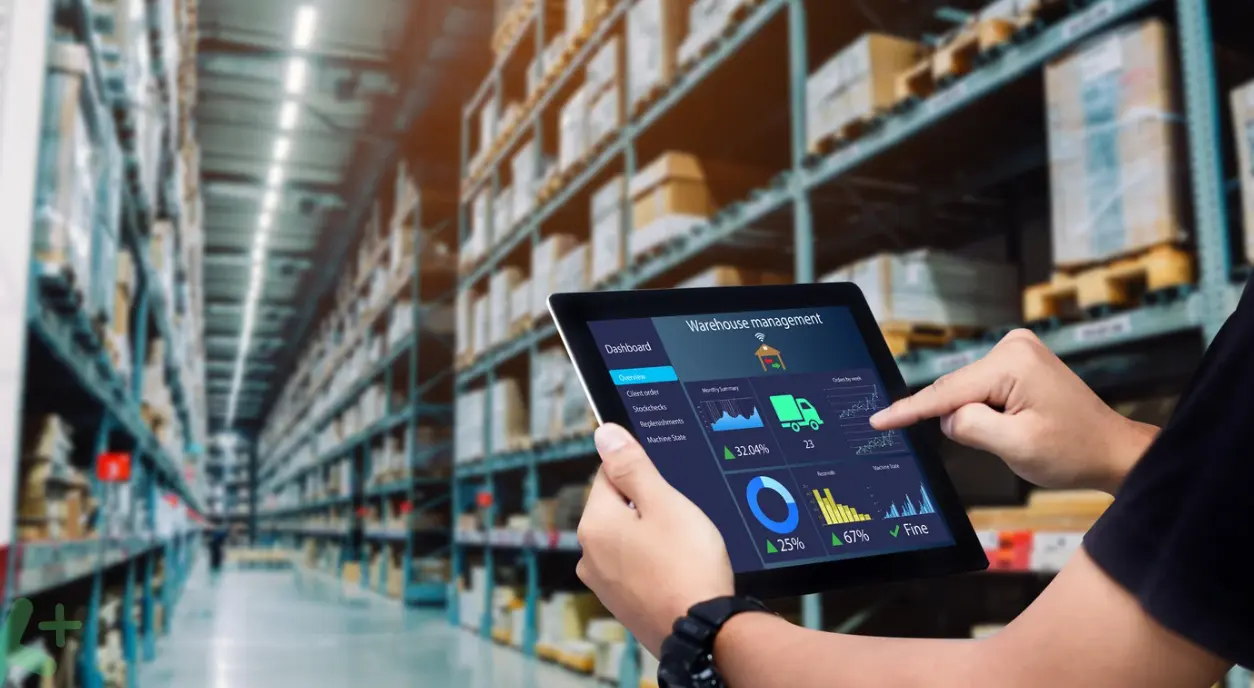
Healthcare logistics covers all the activities needed to guarantee the availability of medical supplies, equipment and medicines, from manufacturer through to patient. This includes sourcing, transport, distribution, storage and stock management.
Effective healthcare and pharmaceutical logistics ensures that patients receive timely, quality care, while improving the operational efficiency of healthcare organisations.
Evolution before and after Covid-19
The sector has changed significantly over recent decades, particularly following the Covid-19 pandemic.
Operations management, long established in industrial systems, is now finding application in healthcare as a way of optimising logistics processes.
Before the pandemic, healthcare logistics focused mainly on operational efficiency and cost reduction. Innovation centred on the digitalisation and automation of processes.
The Covid-19 pandemic highlighted the importance of resilient, flexible healthcare logistics. It accelerated the adoption of digital technology and prompted a rethink of logistics strategies for handling health emergencies.
Strategies for improving healthcare logistics
Improving healthcare logistics calls for effective, technologically advanced strategies.
Implementing effective organisational models
Implementing effective organisational models, such as lean management, has the potential to improve efficiency and reduce waiting times in healthcare facilities. Lean management focuses on eliminating inefficiency and continuously improving processes, though results can vary depending on the context and how it is applied.
Applied to healthcare logistics, lean management can help optimise the sourcing and stock management of medicines, reducing delays and ensuring that they are available when and where they are needed.
Adopting lean management in healthcare logistics offers several benefits for the supply of medicines: greater efficiency in sourcing through reduced waste, better availability and storage, and increased flexibility in the face of changing demand.
Despite these potential advantages, adopting lean management requires a significant commitment to cultural and organisational change. Success depends on the ability of healthcare facilities to adapt lean principles to their own context and to involve all staff actively in the improvement process.
Adopting advanced technology
Integrating advanced technologies such as artificial intelligence, the Internet of Things (IoT), blockchain and RFID is transforming healthcare logistics.
These technologies enable better demand forecasting, optimise delivery routes and allow real-time stock monitoring, offering full product traceability and supporting predictive analysis of future scenarios.
The Profiter platform, for example, uses artificial intelligence algorithms to analyse historical and current data, both internal and external, forecasting future requirements accurately and automating reordering processes.
IoT also allows continuous monitoring of storage and transport conditions, ensuring that healthcare products are kept in optimal conditions and improving the safety and effectiveness of care.
Collaboration and integration between healthcare organisations
Collaboration between different healthcare organisations, and integration of their logistics operations, can deliver greater efficiency and lower costs.
Sharing resources and information improves coordination and responsiveness, creating synergies that optimise the healthcare system as a whole.
This collaboration makes it possible to optimise stock management, reduce operating costs and improve the quality of services offered to patients, guaranteeing a faster and more effective response to healthcare needs.