Artificial Intelligence
Digital twins in pharmaceutical logistics: simulating the supply chain to reduce stockouts and optimise stock and reordering across the network.
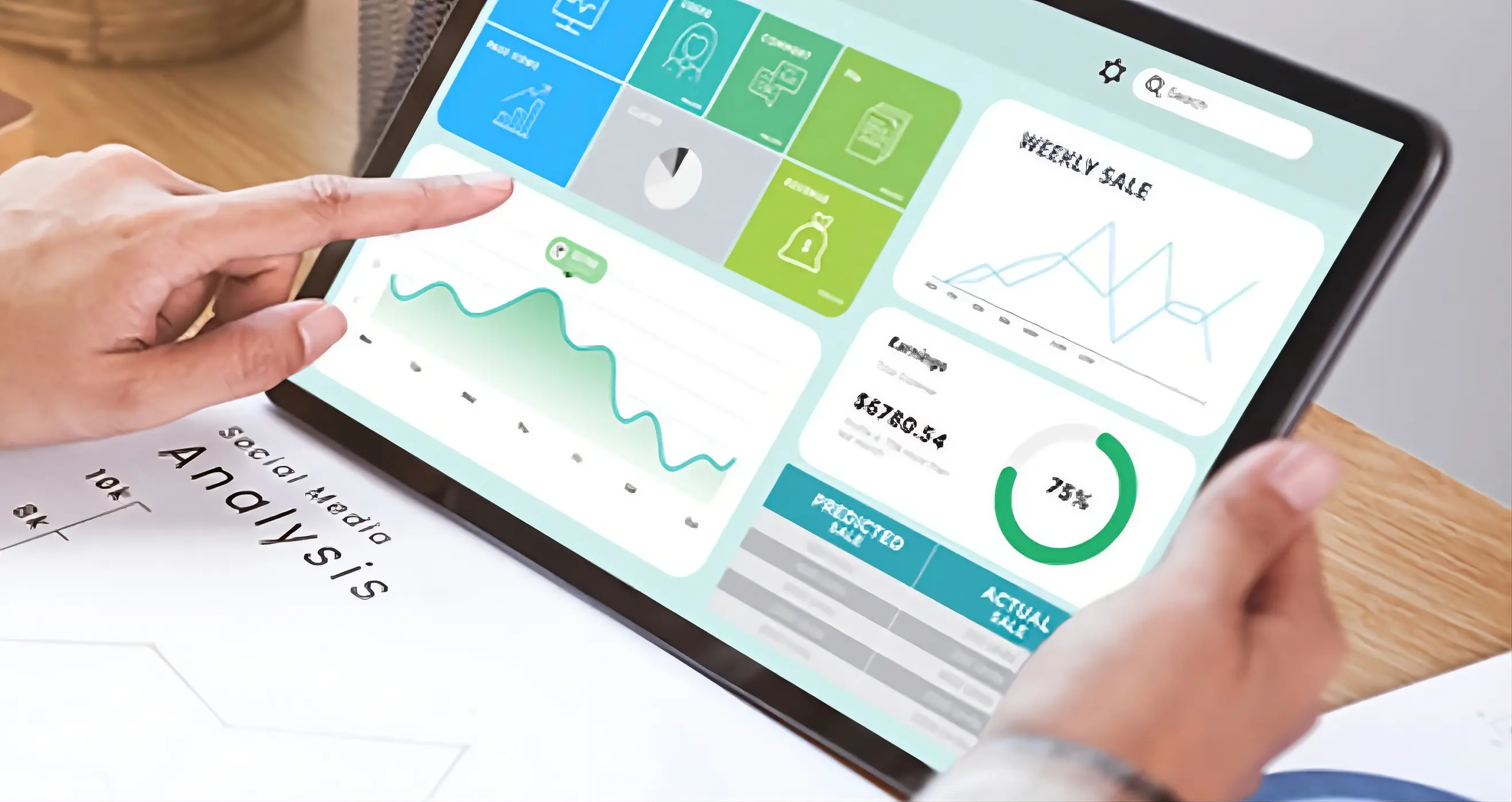
What a digital twin is and why it matters now
A digital twin is a digital replica of a physical system that updates in real time, making it possible to simulate, analyse and optimise processes before they even happen. Born in industry, the concept is now transforming pharmaceutical logistics too, where the complexity of the supply chain and the fragility of the distribution system call for a more predictive view.
Using a digital twin in pharmaceutical logistics allows proactive intervention on stock, flows, timings and risk, all without interrupting live operations. This approach is no longer a prospect limited to multinationals: it is a concrete tool, applicable to small and medium-sized pharmacies and warehouses too, thanks to scalable, intuitive artificial intelligence and machine learning solutions.
Tangible benefits: greater efficiency, fewer errors
Adopting digital stockroom management based on a digital twin is not simply about "having more technology": it delivers concrete, measurable results. In particular:
Fewer stockouts: pharmaceutical logistics simulation makes it possible to anticipate demand peaks and product shortages, acting before they occur.
Stock optimisation: the digital twin helps strike the balance between excess products and critical shortages, reducing waste.
Efficient reordering: the system simulates supply scenarios and suggests actions based on real data.
This transformation is not limited to large industry. Even a small pharmacy can save time, avoid manual errors and improve customer service simply by automating and simulating its own logistics with accessible tools. It is an effective way to avoid losing sales and to raise service quality in an increasingly fierce competitive environment.
To explore strategies for preventing stockouts in pharmacies further, read our dedicated article: reducing stockouts in pharmacies, techniques and strategies.
Digital twins across the whole pharmaceutical chain
As noted above, one of the strengths of the digital twin is its versatility: it can be adopted at different scales by every actor in the pharmaceutical chain. Here is how.
For pharmaceutical manufacturers
Simulating the entire supply chain to improve production planning.
Reducing the impact of delays or unforeseen events by creating alternative scenarios.
Optimising production batches to improve quality and meet regulatory requirements.
For wholesalers
Analysing and optimising flows between hubs and outlets.
Improving picking and storage through digital mapping of the warehouse.
Reducing operating costs through intelligent space management.
For pharmacies
Automating reordering logic.
Optimising stock management to avoid waste or shortages.
Forecasting demand based on internal and external historical data and seasonality.
In each of these cases the key phrase is pharmaceutical warehouse optimisation: a considerable challenge, but one that can finally be addressed thanks to highly innovative digital tools.
Profiter for pharmaceutical logistics
Profiter has built the digital twin concept into a platform designed to simplify and strengthen digital management of the pharmaceutical warehouse, by combining predictive algorithms, AI and advanced simulation.
Every customer can simulate their own logistics chain, see in advance what happens if demand flows change, anticipate problems and optimise stock levels.
Pharmacists get automatic reordering forecasts, reducing manual errors by more than 15% and saving time.
Wholesalers improve product availability and service levels with less tied-up capital.
Manufacturers can build advanced forecasting scenarios, reducing the risk of overproduction or shortage.
All of this without needing to overhaul existing systems: the platform integrates with software already in use and adapts to any organisation, from the multinational to the local pharmacy, or can be accessed in the cloud.
Looking ahead: digitalisation is no longer optional
The digital transformation of the supply chain is already under way, and it involves those who until recently thought it was "something for big companies". The context is changing: new regulation, scarcity of raw materials, greater competition.
Anyone working in the pharmaceutical sector, at any level, now has the chance to make better decisions thanks to tools such as pharmaceutical artificial intelligence and the digital twin. You do not need to be a technology expert: you just need to choose reliable partners and think in terms of results.
The future of pharmaceutical logistics is predictive, efficient and simulable. And it starts today.